Designing for Colorado’s Climate: Water-Wise Solutions That Work
Why Water-Wise Landscaping Matters in Colorado
Colorado’s semi-arid climate, high elevation, and rapidly changing weather patterns make landscaping a challenge. From hot summers and strong winds to sudden downpours and water restrictions, your outdoor space must be resilient and efficient.
That’s where water-wise landscaping comes in. Also known as xeriscaping, this approach helps homeowners conserve water while still enjoying beautiful, functional outdoor spaces. With the right design, you can create a landscape that thrives in Colorado’s unique conditions and adds value to your home year-round.
1. Choose Drought-Tolerant, Native Plants
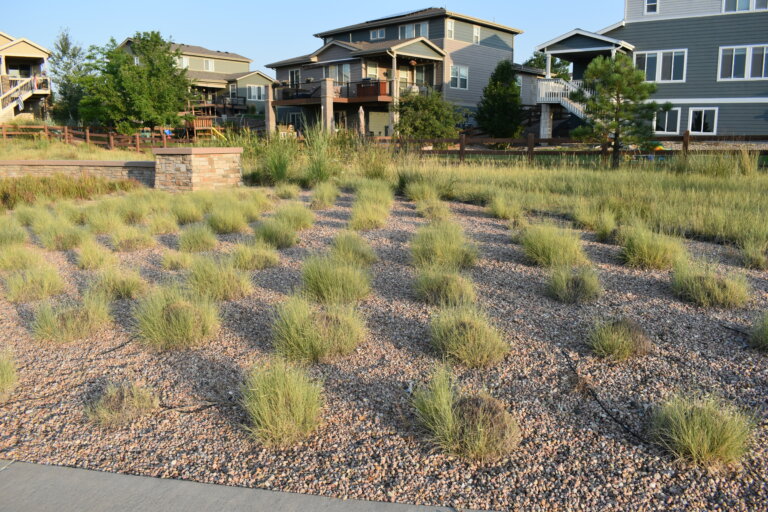
Start with plants that are naturally adapted to Colorado’s environment. Native and drought-tolerant species require less water, resist pests, and often need less maintenance.
Top Picks for Colorado Landscapes:
- Blue Grama Grass – A hardy native grass with attractive seed heads
- Russian Sage – Drought-tolerant with silvery foliage and lavender flowers
- Rabbitbrush – Bright yellow fall blooms and excellent pollinator support
- Yarrow – Colorful, rugged, and perfect for low-water gardens
- Serviceberry – A native shrub offering blooms, berries, and fall color
By grouping plants with similar water needs (a concept known as hydrozoning), you can maximize efficiency and reduce waste.
2. Install Smart Irrigation Systems
Efficient irrigation is essential to any water-wise design. Smart irrigation controllers adjust watering schedules based on weather, soil moisture, and evaporation rates. These systems:
- Reduce overwatering
- Adapt to seasonal changes
- Lower your water bill
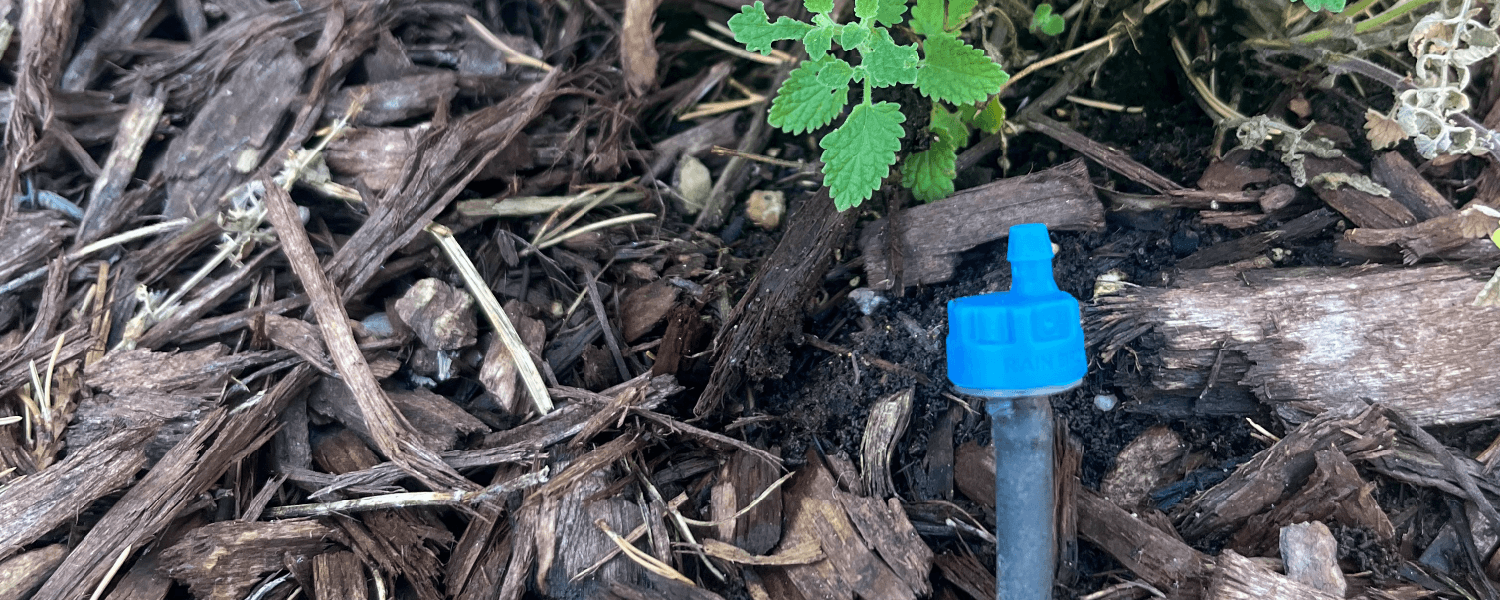
Drip irrigation is another great option, especially for garden beds and shrubs. It delivers water directly to the roots where plants need it most, minimizing evaporation.
3. Use Permeable Hardscaping
Traditional concrete and asphalt surfaces contribute to runoff and waste. Instead, opt for permeable hardscaping materials like:
- Permeable pavers
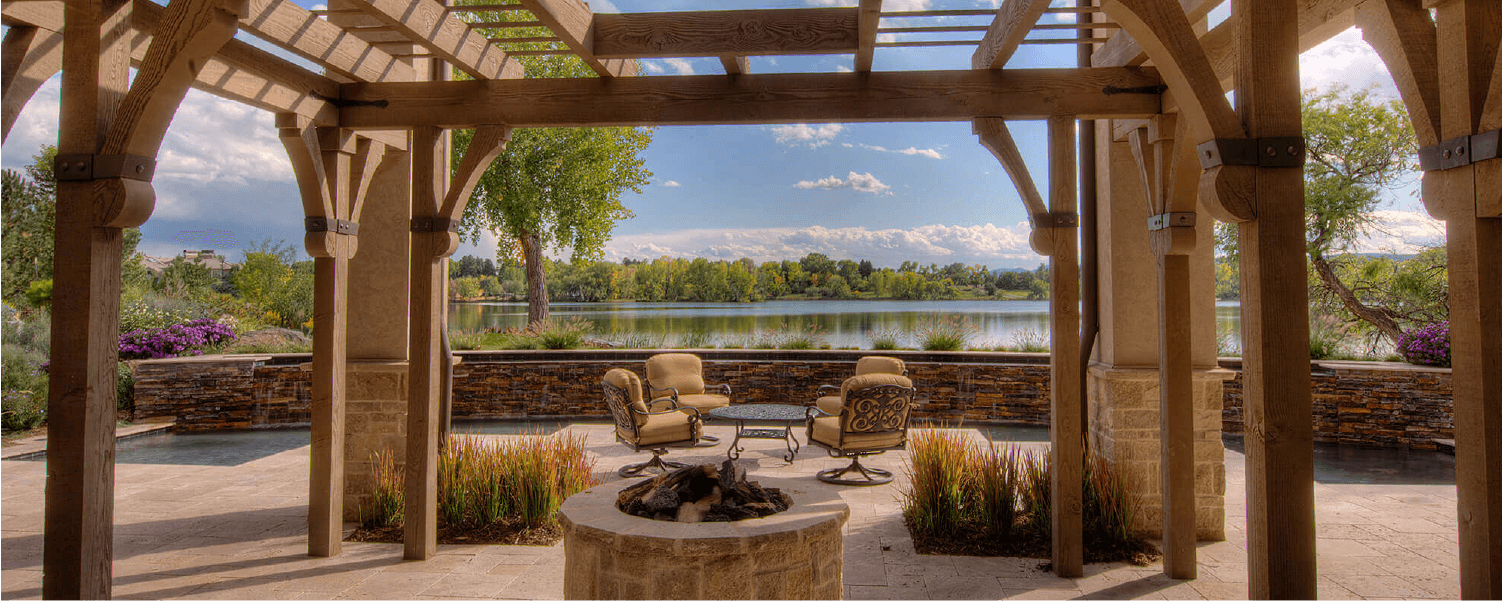
- Gravel or decomposed granite
- Flagstone with spacing for ground cover
These materials allow rainwater to seep back into the soil, reduce erosion, and promote healthy root systems.

4. Incorporate Shade for Passive Cooling
Colorado’s intense sun can increase water loss and stress plants. Use trees, pergolas, or tall shrubs to create strategic shade zones that:
- Cool your home’s exterior
- Reduce heat stress on plants
- Create comfortable outdoor living spaces
Shade placement can also lower cooling costs by reducing solar heat gain on patios and windows.
5. Mulch for Moisture Retention
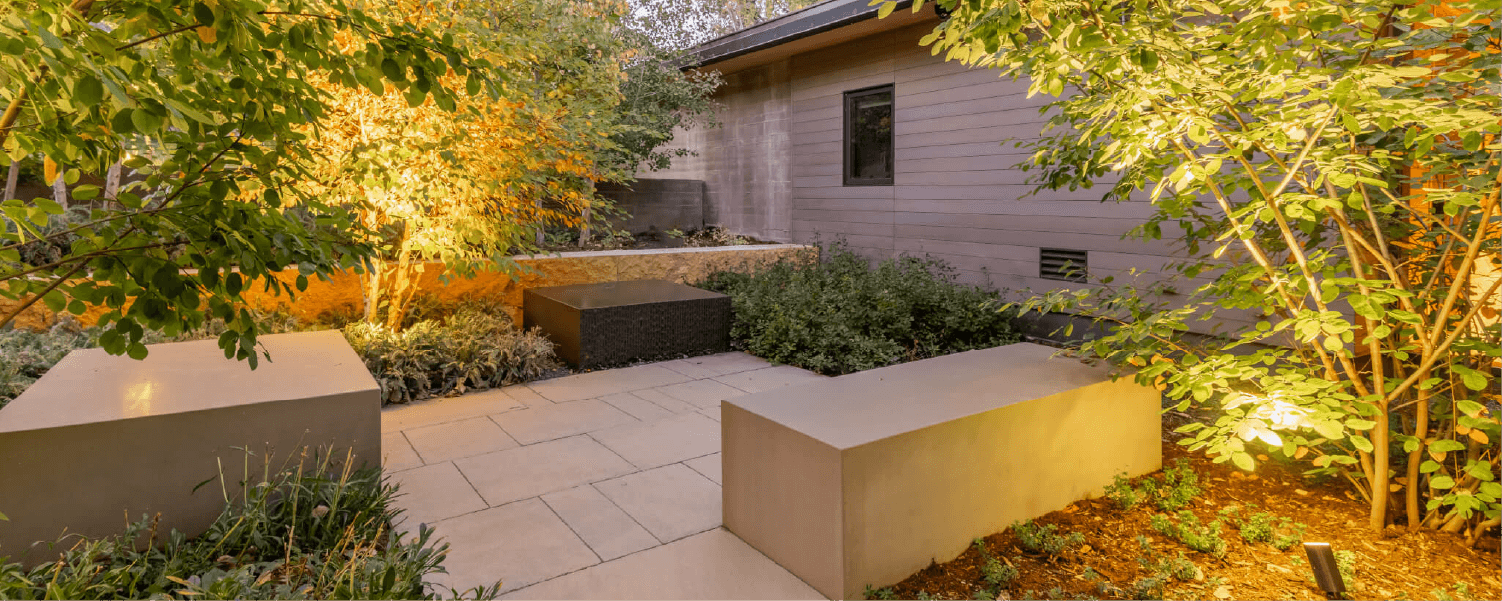
Mulch isn’t just for looks—it’s a powerful tool for conserving moisture. Organic mulches like shredded bark, pine needles, or compost:
- Reduce evaporation
- Suppress weeds
- Improve soil structure over time
Apply a 2- to 4-inch layer around plant beds to keep the soil cool and hydrated.

6. Plan for All Seasons
A water-wise landscape can be beautiful year-round. Design with four-season interest in mind:
- Spring: Flowering native shrubs and bulbs
- Summer: Ornamental grasses and bright perennials
- Fall: Vibrant foliage and berry-producing plants
- Winter: Evergreens and textured hardscaping
With the right mix, your yard remains engaging and functional through every season.
Work with a Residential Landscaping Expert
At Environmental Designs, our Residential Division specializes in designing and building water-efficient, climate-resilient landscapes tailored to Colorado’s unique environment. From full-property transformations to smart irrigation upgrades, we bring beauty and sustainability together.
Ready to Build a Water-Wise Landscape?
Let’s create a landscape that conserves water, lowers costs, and elevates your outdoor lifestyle.
Contact us today for a consultation.